
Top 3 Essential Habits for Optimal Oral Health
Maintaining oral health is crucial for overall well-being. Good oral hygiene not only prevents dental problems but also enhances your confidence and quality of life. Here are the three most important things you can do to ensure your oral health remains in top condition:
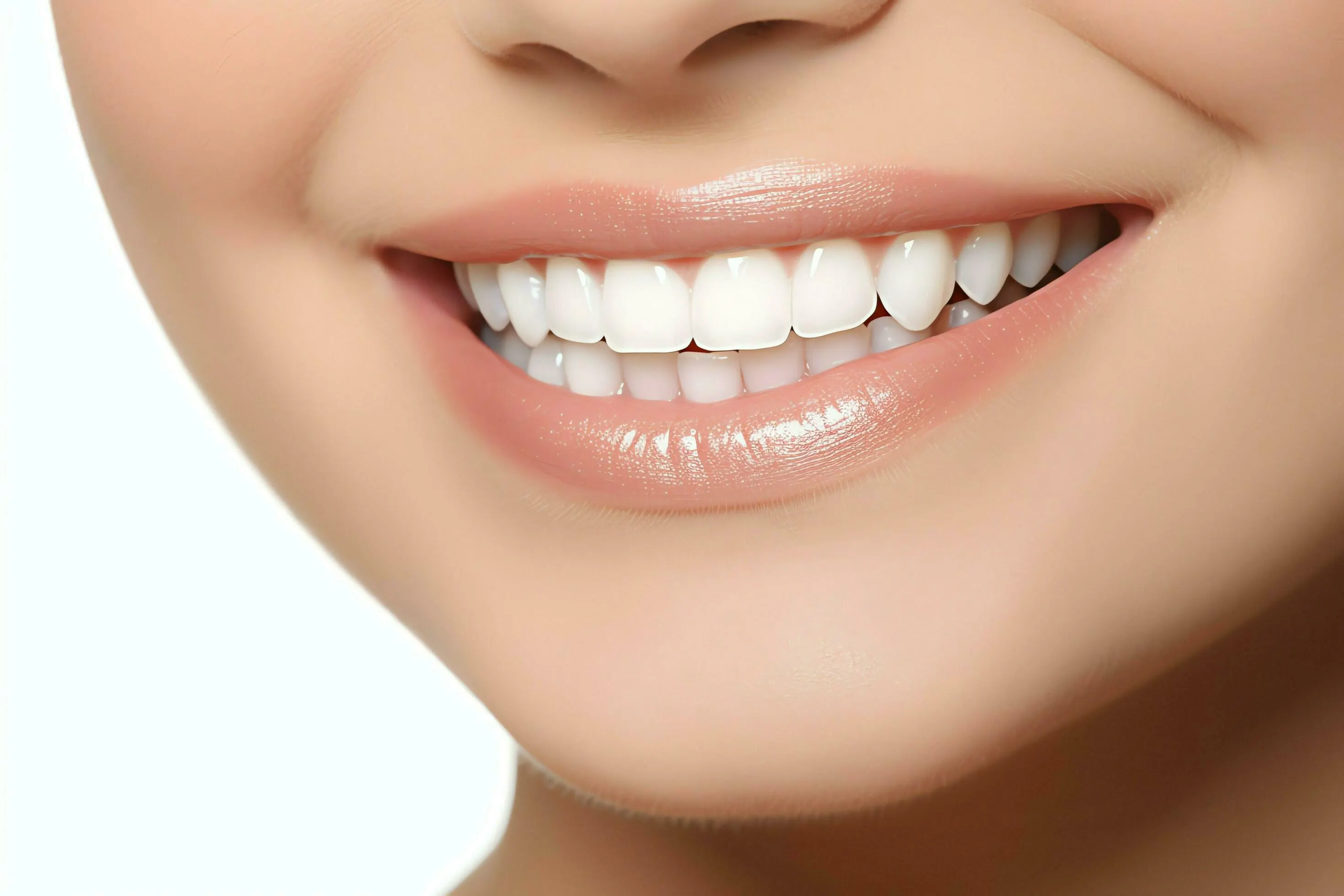
1. Regular Brushing and Flossing
The foundation of good oral hygiene is consistent and proper brushing and flossing. These habits remove food particles and plaque, which can cause tooth decay and gum disease. Brushing: Brush your teeth at least twice a day, ideally after meals. Use a fluoride toothpaste and a soft-bristled toothbrush. Make sure to brush all surfaces of your teeth, including the front, back, and chewing surfaces.
Don't forget to brush your tongue to remove bacteria and freshen your breath. Flossing: Floss daily to remove plaque and food particles from between your teeth and under the gum line, areas where your toothbrush can't reach. Proper flossing helps prevent gum disease and cavities. Technique Matters: Ensure you're using the correct techniques for brushing and flossing. Brush for at least two minutes, and when flossing, gently slide the floss between your teeth, curve it around each tooth, and clean under the gum line.
2. Regular Dental Check-ups
Regular visits to your dentist are vital for maintaining oral health. These check-ups help detect and treat issues early before they become serious problems. Professional Cleaning: Dentists or dental hygienists can remove tartar (hardened plaque) that cannot be removed by regular brushing and flossing.
Professional cleanings help prevent cavities and gum disease. Early Detection: Regular dental exams can detect early signs of oral health issues such as cavities, gum disease, oral cancer, and other conditions. Early detection means early treatment, which can prevent more serious and costly problems later on.
Customized Advice: Your dentist can provide personalized advice on how to care for your teeth and gums based on your specific needs. This might include recommendations on brushing techniques, dietary habits, and products that could benefit your oral health.
3. Healthy Diet and Lifestyle
What you eat and how you live significantly impact your oral health. A balanced diet and healthy lifestyle choices can prevent dental problems and promote overall health. Limit Sugary and Acidic Foods: Foods and drinks high in sugar and acid can erode tooth enamel and cause cavities. Limit your intake of sugary snacks, sodas, and acidic foods like citrus fruits and juices.
If you do consume these, rinse your mouth with water afterward and wait at least 30 minutes before brushing your teeth. Eat a Balanced Diet: A diet rich in fruits, vegetables, lean proteins, and dairy products provides essential nutrients for healthy teeth and gums. Calcium, phosphorus, and vitamins like vitamin D and C are particularly important for maintaining strong teeth and healthy gums.
Stay Hydrated: Drinking water throughout the day helps wash away food particles and bacteria. Water also dilutes acids produced by bacteria in your mouth, helping to prevent tooth decay. Avoid Tobacco and Limit Alcohol: Smoking and using other tobacco products increase your risk of gum disease, oral cancer, and other oral health issues.
Excessive alcohol consumption can also lead to oral health problems. Avoiding tobacco and limiting alcohol can significantly improve your oral health. Maintaining good oral health requires a combination of daily habits, regular professional care, and a healthy lifestyle. By brushing and flossing regularly, visiting your dentist for check-ups, and making smart dietary and lifestyle choices, you can ensure your smile stays healthy and bright for years to come.
Copyright 2023. All rights reserved.
This site and the products and services it offers, are not associated or affiliated with, nor endorsed or sponsored by Youtube or its parent. They have not been reviewed, tested or certified by Youtube or its parent company. Causes of ailment or condition vary amongst individuals. It is incumbent on each individual to perform due diligence before purchasing any product or service recommended by this site, to verify with the manufacturer any claim, statistic, quote or other representation about the product or service. Results mentioned in testimonials and references are not typical, and are intended to serve as examples only.This site may contain affiliate links, or other forms of compensation. An affiliate link is where we recommend a product or service and provide a link through which you may purchase. In the event that a purchase is made, we will be compensated. These statements have not been evaluated by the Food and Drug Administration.